

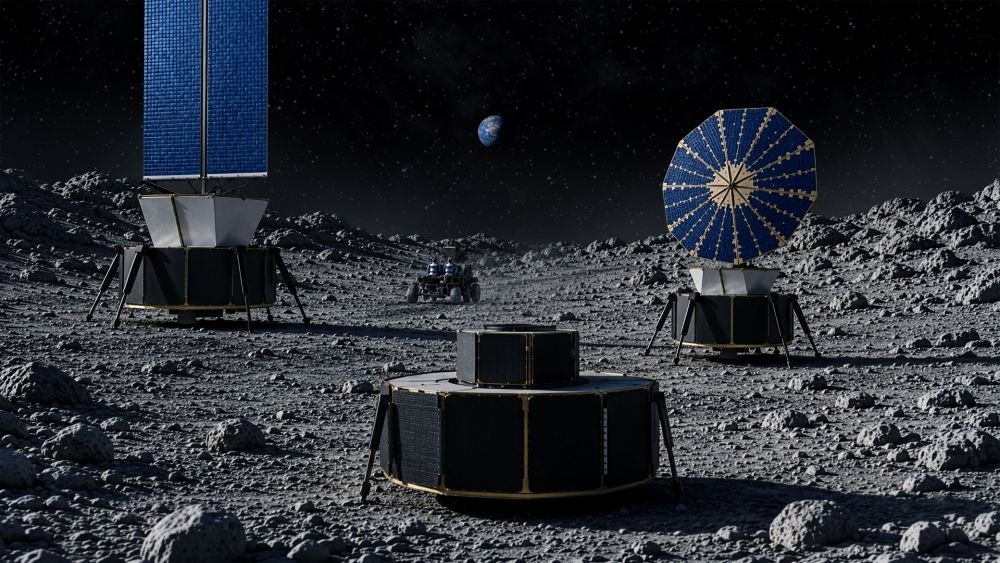
Northrop Grumman is advancing NASA’s Moon Base infrastructure through Lunar Infrastructure Demo (LID) missions that reuse HALO technology to provide power, data services, and demonstrate lunar night survival, supporting sustained operations at the Moon Base.
Key Takeaways
- LID missions will use HALO technology to mature lunar power and data systems critical for long-duration Moon Base presence.
- Reusing existing HALO hardware accelerates lunar infrastructure deployment, minimizing risk and maximizing NASA’s Artemis mission readiness.
Northrop Grumman Corporation (NYSE: NOC) is developing a series of Lunar Infrastructure Demo (LID) missions to help NASA rapidly mature the power and data backbone for a Moon Base, including technology capable of surviving the lunar night and supporting a sustained human presence at the Moon’s South Pole
To help NASA move faster, Northrop Grumman is reusing hardware and technologies derived from the Habitation and Logistics Outpost (HALO) program. HALO’s power, data and mechanical interfaces will enable NASA to move with speed and begin gathering real lunar surface performance data sooner.
The LID-1, LID-2 and LID-3 missions are designed to prove and scale the infrastructure that Artemis crews and robotic explorers will depend on. By demonstrating how key surface assets can remain powered, protected and connected through lunar night and shadow, these missions will give NASA critical data to shape Artemis surface campaigns and long-duration lunar operations.
“As America embarks on the next chapter in human space exploration, our Lunar Infrastructure Demos will help turn the Moon into a place where astronauts can stay, work and make discoveries that benefit humanity,” said David Schiller, vice president, civil space and sciences, Northrop Grumman. “Our ready-to-fly, reliable HALO technologies allow NASA to move faster, putting in place robust infrastructure that can endure the lunar night and establish a strong blueprint for a future Moon Base.”
