

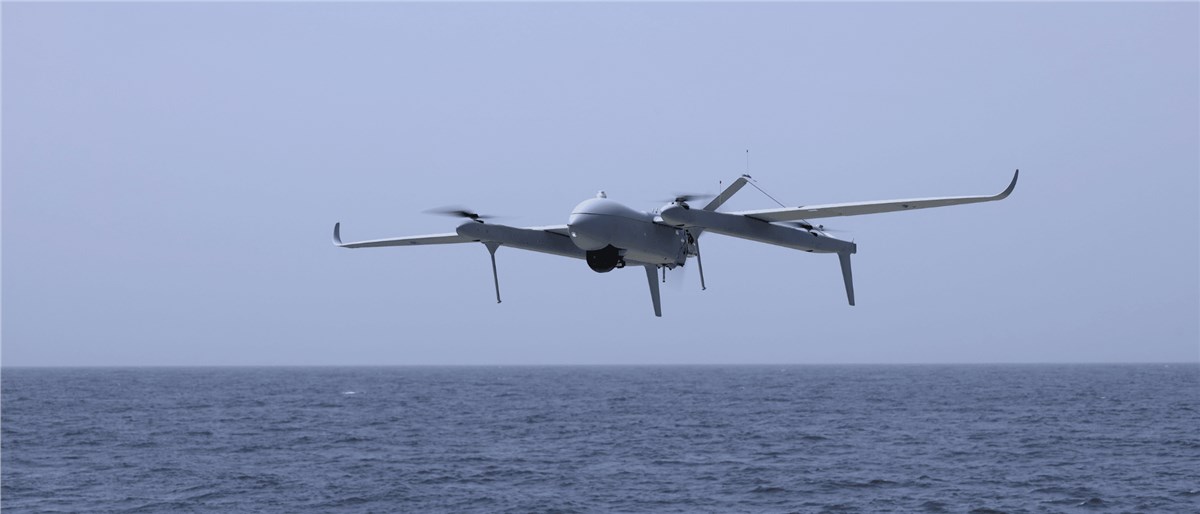
Textron Systems continues to add capability to the Aerosonde UAS platform with the integration of a new low size, weight, and power (SWaP), low-cost Low Earth Orbit (LEO) beyond-line-of-sight (BLOS) transceiver. This technology expands the diversity of command and control (C2) offerings and marks a major step toward enabling Proliferated Low Earth Orbit (pLEO) SATCOM capabilities, redefining how uncrewed aircraft systems operate and communicate in high-threat environments. The integration enhances Aerosonde mission flexibility and connectivity, setting the stage for future incorporation of Starshield’s Department of Defense pLEO solution.
With operationalization of pLEO, Textron Systems is positioning the Aerosonde UAS to overcome traditional Line of Sight (LOS) and datalink limitations. This opens new mission opportunities such as long-range intelligence, surveillance, and reconnaissance (ISR) and distributed operations without depending on high-SWaP GEO SATCOM systems that are cost-prohibitive and limit multi-intelligence options.
For the U.S. military, this technology represents protection and precision. By enabling distributed mission control from Tactical Operations Centers (TOCs), fewer personnel are required in harm’s way. Faster, more secure data sharing improves situational awareness, shortens decision cycles, and ensures timely, coordinated battlefield responses.
Beyond enhanced connectivity, the new integration makes Aerosonde smaller, lighter, and easier to deploy. The Ground Control Station has been streamlined for greater agility and efficiency. Additionally, the integration supports enhanced cybersecurity for resilient and protected data exchanges. Textron Systems remains committed to equipping warfighters with cutting-edge technologies that evolve alongside mission needs, helping them stay agile, informed, and out of harm’s way.
