

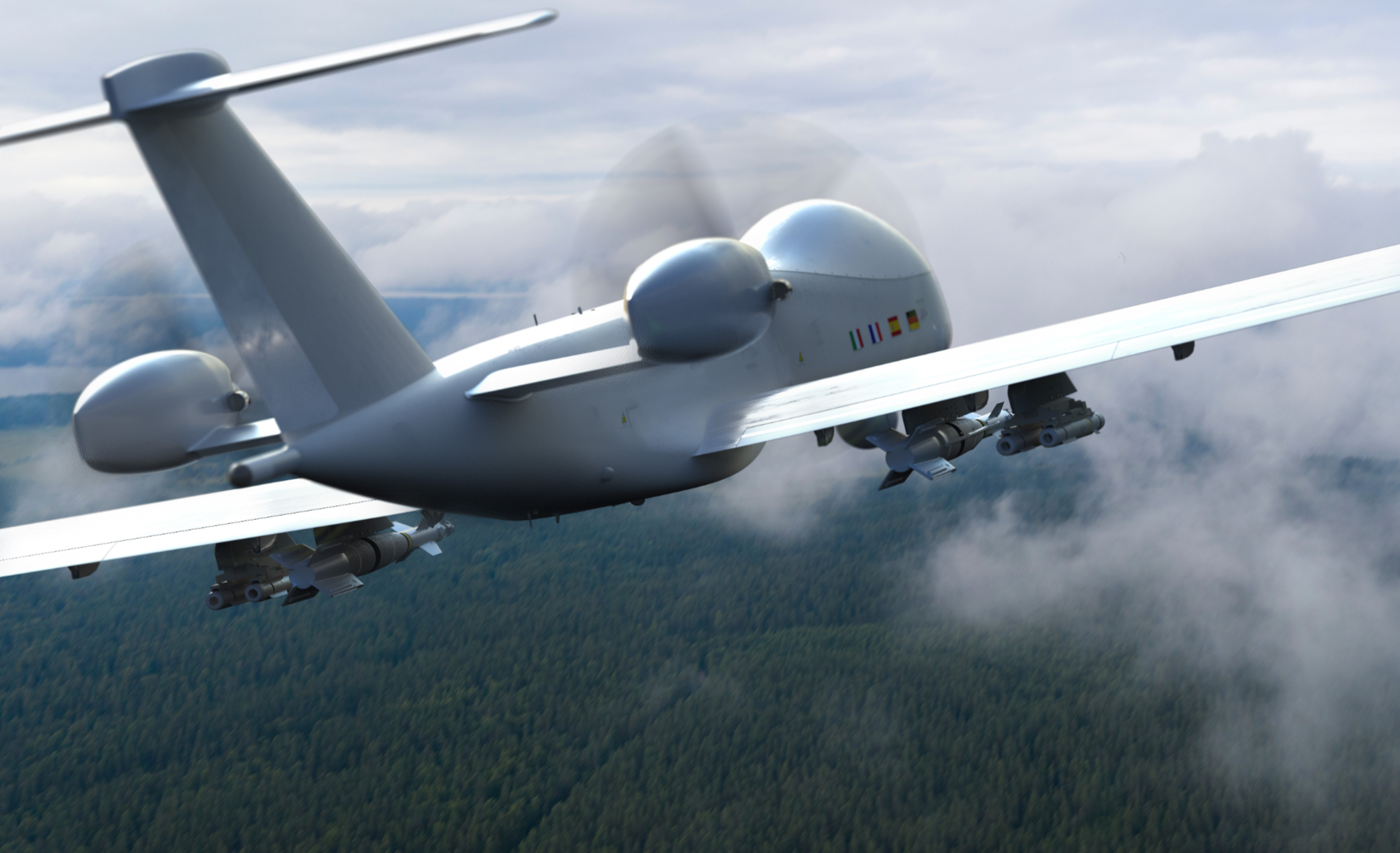
Military drone deployment across Europe is expanding rapidly, but regulation is struggling to keep pace. What was once a niche capability is now central to surveillance, reconnaissance, and modern battlefield operations. However, the regulatory environment governing unmanned systems remains fragmented, complex, and often misaligned with operational realities. The result is a growing gap between technological capability and policy readiness.
Fragmented Regulatory Landscape
Europe’s regulatory framework for drones is largely shaped by national authorities, layered with regional guidelines and civil aviation rules. While there have been efforts to standardize aspects of unmanned aviation, military applications often fall outside unified frameworks, leaving each country to interpret and implement its own rules.
This fragmentation creates inconsistencies in how drones are tested, deployed, and integrated into national defence systems. For cross-border operations and joint missions, these differences can become a significant obstacle, limiting operational flexibility and coordination.
Civil vs Military Regulatory Overlap
A key challenge lies in the overlap between civil aviation regulations and military drone operations. Civil aviation authorities prioritize safety, airspace management, and public risk mitigation, while military requirements focus on operational effectiveness and mission readiness.
Balancing these priorities is not straightforward. Military drones often need to operate in contested or restricted environments where civil aviation rules may not fully apply. At the same time, increasing drone activity in shared airspace requires coordination to prevent conflicts and ensure safety.
This overlap results in regulatory ambiguity, where neither civil nor military frameworks fully address the operational realities of modern unmanned systems.
Airspace Integration Challenges
Integrating military drones into European airspace remains one of the most complex regulatory issues. Unlike traditional aircraft, drones operate with different flight profiles, communication systems, and control mechanisms.
Ensuring safe integration requires:
- Reliable communication and control systems
- Clear identification and tracking mechanisms
- Coordination between military and civilian air traffic authorities
Without standardized integration protocols, drone operations risk being restricted or delayed, particularly in shared airspace environments.
Certification and Standardization Gaps
Certification processes for military drones vary significantly across Europe. Unlike commercial aviation, where certification standards are well established, military drone certification is often handled at the national level with limited harmonization.
This creates challenges for manufacturers and operators, particularly in multinational programs. Differences in certification requirements can lead to delays, increased costs, and reduced interoperability.
Standardization efforts are underway, but progress remains uneven. Achieving alignment across countries will be essential for enabling efficient deployment and cross-border operations.
Data Security and Sovereignty Concerns
Military drones generate and process large volumes of data, raising questions around data security, storage, and sovereignty. European countries are increasingly focused on ensuring that sensitive data remains protected within secure frameworks.
Regulatory approaches to data management vary, reflecting national priorities and security considerations. These differences can complicate joint operations and data-sharing agreements, particularly in multinational missions.
As drone capabilities evolve, data governance will become an increasingly critical component of regulatory frameworks.
Export Controls and Operational Restrictions
Export regulations add another layer of complexity to military drone deployment. European countries maintain strict controls over defence exports, including unmanned systems and related technologies.
These controls can affect not only international sales but also collaboration between allied nations. Restrictions on technology transfer and usage can limit the deployment of drones in joint operations, particularly when systems involve components from multiple countries.
Balancing security concerns with operational flexibility remains a persistent challenge.
Ethical and Legal Considerations
The use of military drones raises broader ethical and legal questions, particularly in areas such as autonomy, decision-making, and rules of engagement. As drone capabilities become more advanced, regulatory frameworks must address how these systems are used within established legal boundaries.
European countries are increasingly engaged in discussions around the ethical use of unmanned systems, including the role of human oversight and accountability. These considerations are shaping the development of regulatory policies and influencing deployment strategies.
Future Outlook
Regulatory frameworks for military drones in Europe are likely to evolve toward greater harmonization and integration. Efforts to standardize certification, improve airspace integration, and align policy frameworks will be critical for enabling wider deployment.
However, achieving this alignment will require sustained coordination between governments, regulators, and industry stakeholders. The pace of regulatory development will need to match the rapid advancement of drone technology.
What This Means for Industry
Companies developing military drone systems will need to navigate a complex and evolving regulatory environment. Flexibility, compliance capability, and cross-border collaboration will be essential for success.
What This Means for Europe
Europe’s ability to deploy military drones effectively will depend on how quickly it can align regulatory frameworks. Greater coordination will be key to unlocking the full potential of unmanned systems.
What This Means for Defence Buyers
Defence buyers will need to consider regulatory constraints alongside operational requirements. Procurement decisions will increasingly be influenced by how easily systems can be deployed within existing regulatory frameworks.
